THE VICTORIA FALLS BRIDGE

Victoria Falls Bridge, Matabeleland North, Zimbabwe-Zambia border.

The Bridge lighted at night(UNICEF)

The Victoria Falls Bridge is a 198 metre long steel-lattice, two-hinged parabolic arch bridge spanning the Zambezi River at the border between Zimbabwe and Zambia. Its deck level is 122m above the fast-flowing waters of the Zambezi and its longest span is about 152m-156m. It is located downstream from the magnificent Victoria Falls at the second gorge. The bridge carries rail, road and foot traffic linking the town of Victoria Falls(Zimbabwe) and the city of Livingstone (Zambia).

It was designed by George A. Hobson with the help of Ralph Freeman the principal designer of the Sydney Harbour Bridge. The bridge was fabricated in England by the Cleveland Bridge and Engineering Company before being transported to its present site via Beira, Mozambique.

The ‘Blondin’ (electric cableway) used by construction workers for transport.

Construction began in 1904 and ended in 1905 lasting for about 14 months. It was officially opened on the 12th of September 1905 by the then president of the British Association Professor Sir George Howard Darwin, the fifth child and second son of renowned biologist Charles Darwin.

The idea of the bridge was intimated by Cecil John Rhodes as part of his “Cape to Cairo” dream. He is noted as saying “build the bridge across the Zambezi where the trains, as they pass, will catch the spray of the Falls”. The man himself never got to see the bridge nor the falls it was named after.
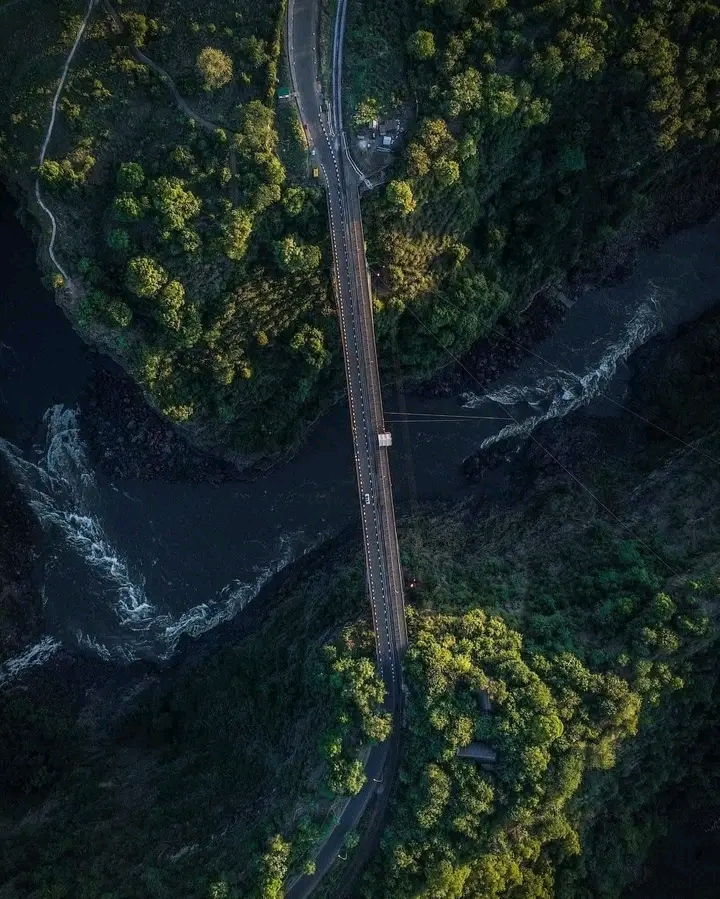
Aerial view of the bridge

Since 1995, the bridge has been commemorated as an International Historic Civil Engineering Landmark by the American Society of Civil Engineers. According to the International Section of the American Society of Civil Engineering, the bridge “embodies the best abilities of the engineer to enhance the beauty of nature rather than detract from it.”

5 Things to do:
1) Bungee jumping
2) ziplining
3) riding the Bamba Tram.
4) historical guided tours focusing on the construction of the bridge and a walking tour under the main deck.
5) Viewing Victoria Falls from the bridge.
Khami : The ancient capital of the Torwa

Khami, Matabeleland North, Zimbabwe
Other names: Kame, Kami

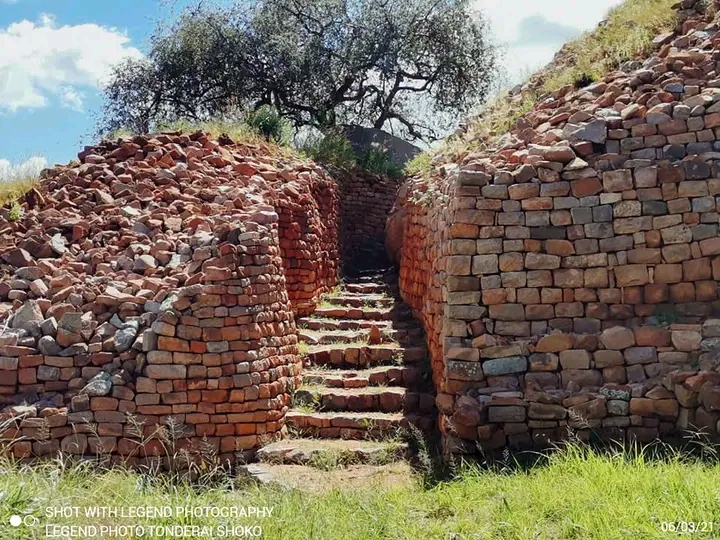
Khami, Matabeleland North, Zimbabwe (Tonderai Shoko)

Khami is an ancient city located 22 kilometers west of Bulawayo spanning about 108 hectares of land. It was built around 1450 A.D and served as the capital of the Butwa (Butua) kingdom for two centuries. The edifices are believed to have been erected by the Torwa people.

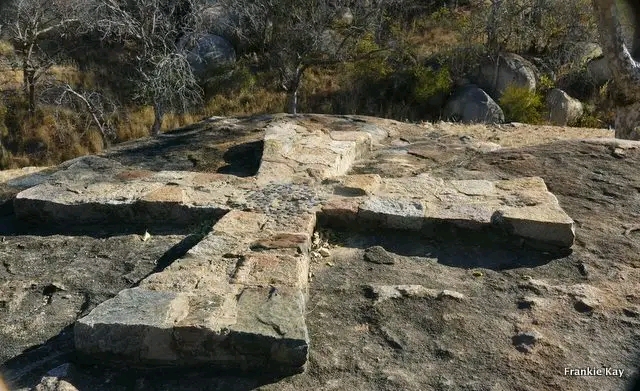
The cross at Cross Ruins, Khami (Frankie Kay)

The ruins are dominated by ornately decorated terraced stone ruins. These are the Hill ruins, a three-tier platform which is opined to have hosted the royal family, the Passage ruin, two hemi-circular platforms linked by a narrow passage, the Precipice ruin, which served as a ritual centre, the Cross ruin, which house a Portuguese templar cross hewn down on one of the rocks and the Vlei ruins. The masons of the time skillfully carved the laminar granite, ubiquitous in the area, to form the chequered pattern, herring pattern, cord pattern and variegated stone blocks. The wall at some points reach heights north of 5 meters leaving the contemporary mind to ponder how imposing a look it must have cast centuries ago.

Several artefacts have been recovered from the site ranging from ivory charms, copper items, clay pots and exotic items such as those from ancient China indicating that the area was once a thriving intercontinental trade centre.

In addition to the ruins, several animal species have been noted in the area including vervet monkeys, rock hyrax(daisies), lilac-breasted rollers and African grey hornbills.
A small museum is also maintained at the site.

The ruins were declared a national monument in 1937 and a UNESCO World Heritage Site in 1986.

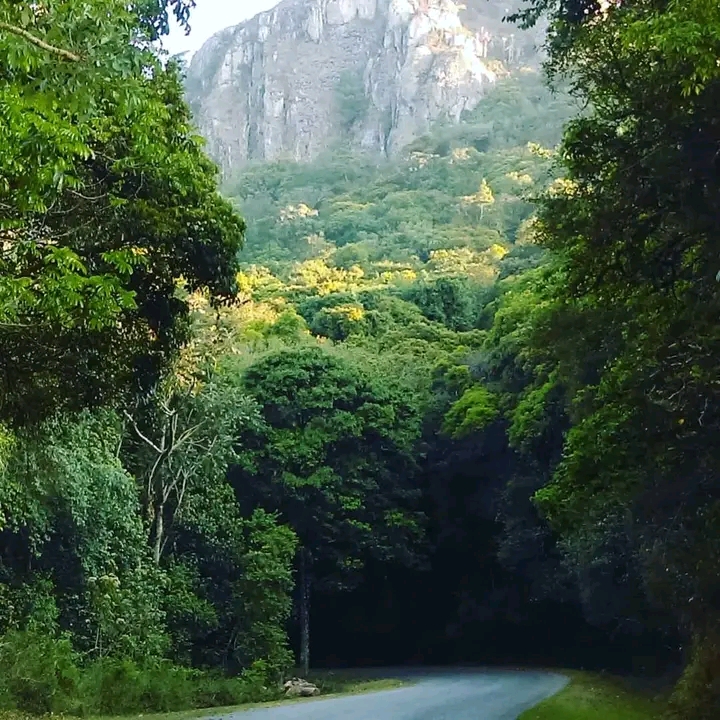
Vumba Mountains: the mountains of mist.

Vumba (Bvumba) Mountains, Manicaland

Chinyakwaremba, Vumba Mountains

Situated 10km south of the city of Mutare, the Vumba Mountains reach an altitude of 1911m at Castle Beacon, a granite dome forming one of the tallest ranges in the country. The mountains are flanked on either side by the rolling greenery of grasses, proteas, tree foliage and coffee shrubs nourished by the early morning “bvumba” (mist) formed by the inland bound moist currents from the Indian Ocean. In the valleys pristine lucid streams twist and turn and roll down granite precipices forming cataracts and rapids.
Amid the jagged granite and the wattle and pine estates, the beauteous Vumba Botanical Gardens and the Bunga Forest Botanical Reserve impose themselves with their unique fauna of Swynnerton’s robins, Livingstone’s turacos, samango monkeys and a myriad of butterfly species. The former is also home to a cycad collection including Encephalartos manikensis and Encephalartos eugene-maraisii.
To add to the saliency exhibited by the natural flora and fauna, culturally significant stone age sites also dot the area.

Top 5 things to do:
1) Hiking
2) horse riding along the Vumba countryside
3)Golfing at Leopard Rock
4)Visiting the Botanical garden and forest reserve
5) bird watching